

The industrial sector in Korea currently stands at a critical turning point. Amidst strengthening global carbon regulations, continuous rises in energy costs, and pressure from the Emissions Trading Scheme (K-ETS), 'decarbonization' is no longer a choice but a critical requirement for survival.
Many companies are attempting to introduce new eco-friendly energy sources by incurring massive costs for carbon neutrality. However, the fastest, most economical, and certain first step towards decarbonization is to use the energy already within our factories without waste. At the core of this strategy are 'Waste Heat Recovery' and 'Energy Optimization'.
Waste Heat, the Unseen Asset Hidden Throughout the Factory
A significant portion of the energy consumed in industrial processes is not fully utilized for product manufacturing but is instead discarded into the atmosphere as exhaust gas, cooling water, or surface radiation. This is called ‘Waste Heat’.
💡 Key Insight:
The hot gases escaping through smokestacks or the warm water discarded into sewers are not mere 'by-products'. With the application of appropriate technology, they become 'underutilized assets' that can reduce boiler operation, generate electricity, and drastically lower the factory's operating costs (OPEX).
In the past, low-temperature waste heat below 150°C was often discarded due to high investment costs relative to recovery benefits. However, recent advancements in high-efficiency Heat Pump and Heat Exchange technology have made it possible to recycle even low-temperature waste heat for process water or heating, maximizing its economic viability.

The Three Major Energy Optimization Strategies for Industrial Facilities
Successful industrial decarbonization requires an integrated approach that analyzes the entire factory's energy flow, rather than simply replacing individual pieces of equipment.
- Establish a Smart Waste Heat Recovery System: Analyze the temperature and flow rate of discarded heat to design the most suitable recovery method. The recovered heat can be injected into pre-heating processes or supplied to the neighboring district heating network to create new revenue streams.
- Digital-based Real-time Energy Monitoring (AI & Data): You cannot manage what you cannot see. AI-based smart monitoring solutions like Veolia's Hubgrade can analyze energy consumption patterns within the factory in real-time, identify hidden waste factors, and instantly optimize processes.
- Enhance Utility Equipment Efficiency: Utility equipment such as steam boilers, cooling towers, and compressors account for a significant portion of the factory's total energy consumption, in addition to the production process. Implementing inverter control, adopting high-efficiency motors, and preventing cooling tower scale through optimized water treatment chemical usage all lead to an immediate increase in energy efficiency.
Case study by Industry:
Simultaneous Heating and Cooling Optimization in Pharmaceutical/Bio and F&B Industries
Pharmaceutical/Bio manufacturing facilities (API factories, etc.) and F&B processes require large-scale energy for both 'Heat' (for product sterilization, heating, and equipment cleaning/CIP) and 'Cooling' (for strict cleanroom maintenance and product storage).
In traditional methods, boilers generated heat and chillers provided cooling, each consuming vast amounts of energy. However, Veolia is changing this paradigm by applying industrial high-efficiency Heat Pumps and Heat Exchange Networks to these processes.
📌 Case Study: Dongkook Lifescience (South Korea)
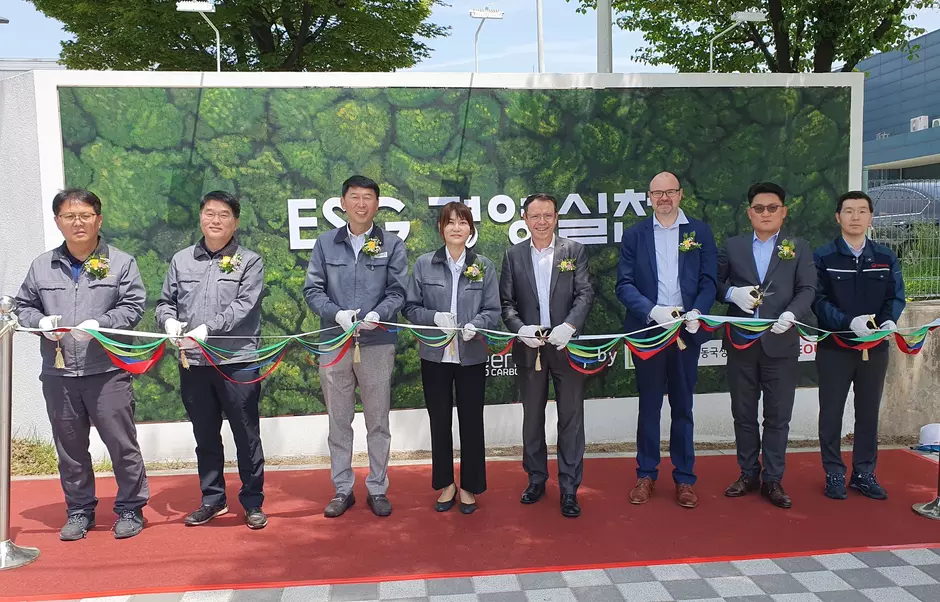
Dongkook Lifescience, a subsidiary of Dongkook Pharmaceutical, is working with Veolia Korea on a long-term GreenPath LowCarbon project. The key components of this collaboration are waste heat recovery, utility optimization, energy saving, and eco-friendly power generation.
- Energy costs reduced by 14.6%
- CO₂ emissions reduced by up to 12%
- Installation of 274m² of solar panels, generating up to 200kWh of energy
- Contributed to creating local jobs through wastewater treatment facility operation and management
This project demonstrates how GreenPath LowCarbon provides economic and environmental benefits to industrial companies by combining renewable energy adoption with operational efficiency.
The Automotive Industry with Energy-Intensive Manufacturing Process
The automotive industry has an energy-intensive manufacturing process that uses massive amounts of heat, from component casting (foundry) to body painting. Recovering the vast amount of waste heat generated in this process is crucial for both businesses and the environment.
📌 Case Study: Volkswagen (Poznań, Poland)
Waste Heat Recovery from Air Compressors and Linkage with District Heating in Europe's Largest Automotive Factory
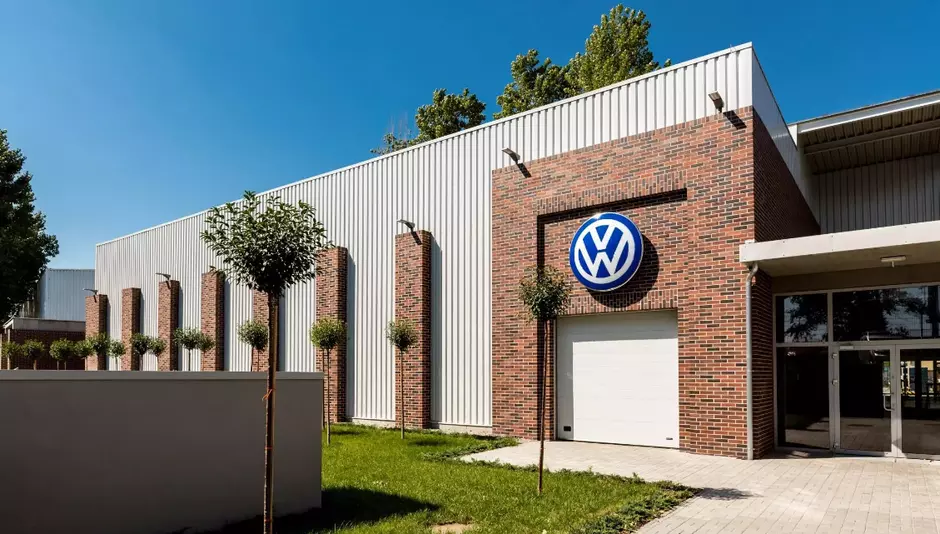
Volkswagen Poznań, Europe's largest cylinder head foundry, producing 4.47 million components annually and consuming over 30,000 tons of aluminum, faced the major challenge of maximizing energy efficiency and minimizing environmental impact. In response, Veolia constructed a specialized heat exchange substation to recover waste heat generated from the factory's air compressors. This recovered heat is converted into hot water and supplied and sold directly to the District Heating Network of Poznań, owned by Veolia.
- Local Decarbonization: Provides 'zero-emission' heating to approximately 45 nearby buildings without using fossil fuels.
- Overwhelming Environmental Results: Annual reduction of 2,440 tons of carbon dioxide (CO2) emissions, reduction of 3,200 tons of coal usage, and significant water savings.
- Improved Economics and Stability: Reduced factory operating costs (OPEX) and secured a stable heat supply network for the local community.
- Strengthened ESG Management: Enhanced eco-friendly corporate image through reduced local pollutant emissions.
Actual Effects of Waste Heat Recovery and Energy Optimization
Energy optimization is not just an 'environmental' achievement that reduces greenhouse gas emissions; it is a core strategy that strengthens a company's financial health.
Towards a Successful Ecological Transformation
Energy optimization in industrial sites demands a deep understanding of complex processes and high-level engineering technology. Based on an integrated perspective encompassing water treatment, waste management, and energy management, Veolia Korea provides customized decarbonization solutions best suited for each industrial site.
Stop letting costs fly out of the smokestacks and cooling towers. Today is the time to find the energy assets hidden within your factory and convert them into a driver for sustainable growth.
